Don’t Rush to Wave the Flag: Avoid False ‘Made in USA’ Claims
February 7, 2017
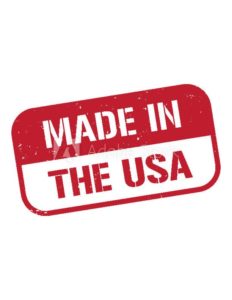 As President Trump tweets about U.S. companies moving manufacturing operations to other countries, and we debate about global trade, many American companies may wish to tout their products and support of American manufacturing through use of “Made in USA” or “Proudly Built in the USA” claims.
But on Feb. 1, Acting Chairman Maureen Ohlhausen made it clear the Federal Trade Commission intends to actively protect consumers from false or misleading “Made in the USA” claims. In the FTC’s news release announcing its settlement with a water-filtration systems distributor, she said:
If a product is advertised or labelled as ‘made’ or ‘built’ in the USA, consumers rightly expect that to be the case when they part with their hard-earned money…This is an important issue for American businesses and their customers, and the FTC will remain vigilant in this area.
So before you wave the American flag in ads, product labels, promotional materials or social media, check out the FTC Enforcement Policy Statement on U.S. Origin Claims and related guidelines. Here are the basics:
As President Trump tweets about U.S. companies moving manufacturing operations to other countries, and we debate about global trade, many American companies may wish to tout their products and support of American manufacturing through use of “Made in USA” or “Proudly Built in the USA” claims.
But on Feb. 1, Acting Chairman Maureen Ohlhausen made it clear the Federal Trade Commission intends to actively protect consumers from false or misleading “Made in the USA” claims. In the FTC’s news release announcing its settlement with a water-filtration systems distributor, she said:
If a product is advertised or labelled as ‘made’ or ‘built’ in the USA, consumers rightly expect that to be the case when they part with their hard-earned money…This is an important issue for American businesses and their customers, and the FTC will remain vigilant in this area.
So before you wave the American flag in ads, product labels, promotional materials or social media, check out the FTC Enforcement Policy Statement on U.S. Origin Claims and related guidelines. Here are the basics:
- Express and Implied Claims –The FTC’s policy applies to both express and implied claims. Express claims include phrases such as “Made in USA” and “Proud American Manufacturing.” Implied claims depend on the context and overall impression created through use of phrases and images.
- Unqualified US Origin Claims – A company may make unqualified US origin claims only when –
- All or virtually all of the product’s components are from the U.S.; and
- All or virtually all of the manufacturing, processing, packaging or assembly took place in the U.S.
- Qualified U.S. Origin Claims – If the product doesn’t meet the all or virtually all standard but has a significant amount of U.S. content or processing, it may make a qualified U.S. origin claim. For example, the description can include the specific process or part made or done in the U.S., such as “Made in USA from imported fabric,” or otherwise clearly and conspicuously disclose the foreign parts or processing.